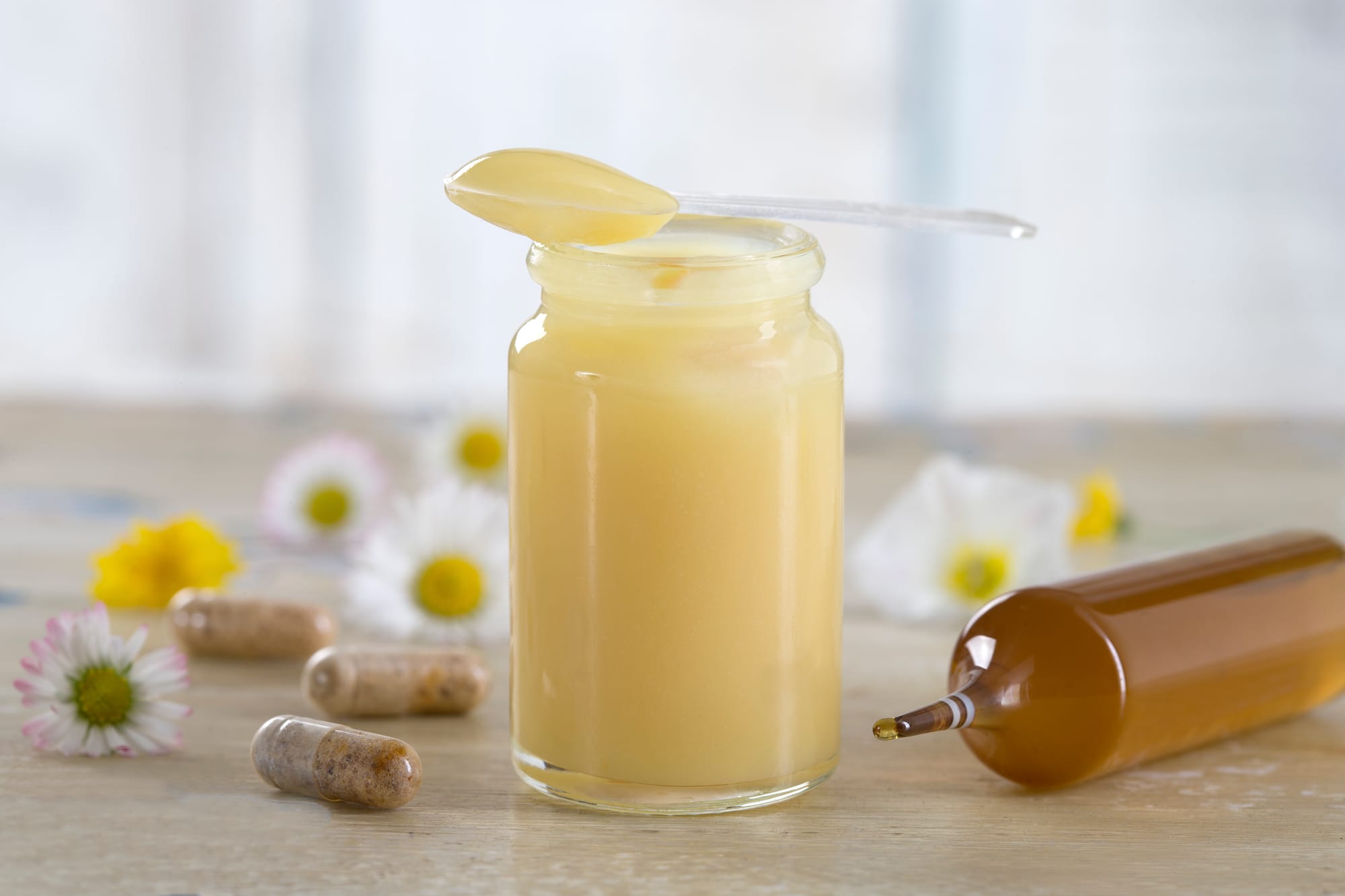
Royal jelly is a nutrient-rich natural substance produced by worker bees and used to feed the queen bee. In supplement form, royal jelly is used by many adults and families to support energy, immune resistance, skin health, and overall well-being. Because families include different age groups, health conditions, and daily needs, the healthiest approach to royal jelly is to create a conscious usage plan that focuses on product quality, correct dosage, and safety.
1) Understanding what royal jelly is and what it is not.
Royal jelly contains proteins, peptides, fatty acids, sugars, vitamins, minerals, and a bioactive fatty acid known as 10-HDA. Studies are being conducted on its antioxidant, immune-regulating, and cellular-supporting properties due to these components. However, royal jelly is not a medicine, it does not replace a balanced diet, and it does not cure chronic diseases. The most appropriate approach is to use it as a food supplement to support a healthy diet, sleep, and lifestyle.
2) Choose the form that suits your family.
Royal jelly can be found in fresh form, as a freeze-dried powder, in capsules, gum, or liquid ampoules.
- Fresh royal jelly is usually stored in the refrigerator and is delicate.
- Capsule and powder forms are more stable and practical for daily use.
- Gum form may be suitable for adults who have difficulty swallowing, but it generally contains more sugar.
- Liquid ampoules are practical for travel, but storage conditions must be carefully monitored.
For families, capsule form is often the safest option, providing a standardized dosage.
3) Prioritize product quality and transparent labeling.
Quality can vary greatly. The following information must be clearly stated on the label:
- Amount of royal jelly per serving
- Whether it's fresh or freeze-dried
- If there is 10-HDA standardization, the ratio
- GMP production standard
- Heavy metal and microbiological tests
This information is especially critical for pregnant women, the elderly, and families planning long-term use.
4) Take the risk of allergies seriously.
Royal jelly can cause serious allergic reactions in some people. Those with asthma or allergies to bee products should be especially cautious. Symptoms may include:
- Itching
- Hives
- Swelling of the lips and face
- wheezing
- Shortness of breath
For beginners, the safest approach is to start with a very low dose and observe the results for a few days.
5) Evaluate separately for children.
Children are not miniature adults. Dosage studies in children are limited, and the risk of allergy is a greater concern. Royal jelly should only be used in children under 12 with the approval of a pediatrician. For most families, the safest option is to use royal jelly only for adults.
Comments